


 Health & Physiology
A novel mechanism of metabolic regulation of blood pressure
The relationship between metabolism and hypertension should not be underestimated! There is a new way of treating hypertension caused by dietary salt: increasing the intake of a water-soluble small molecule called beta-hydroxybutyrate (βOHB).
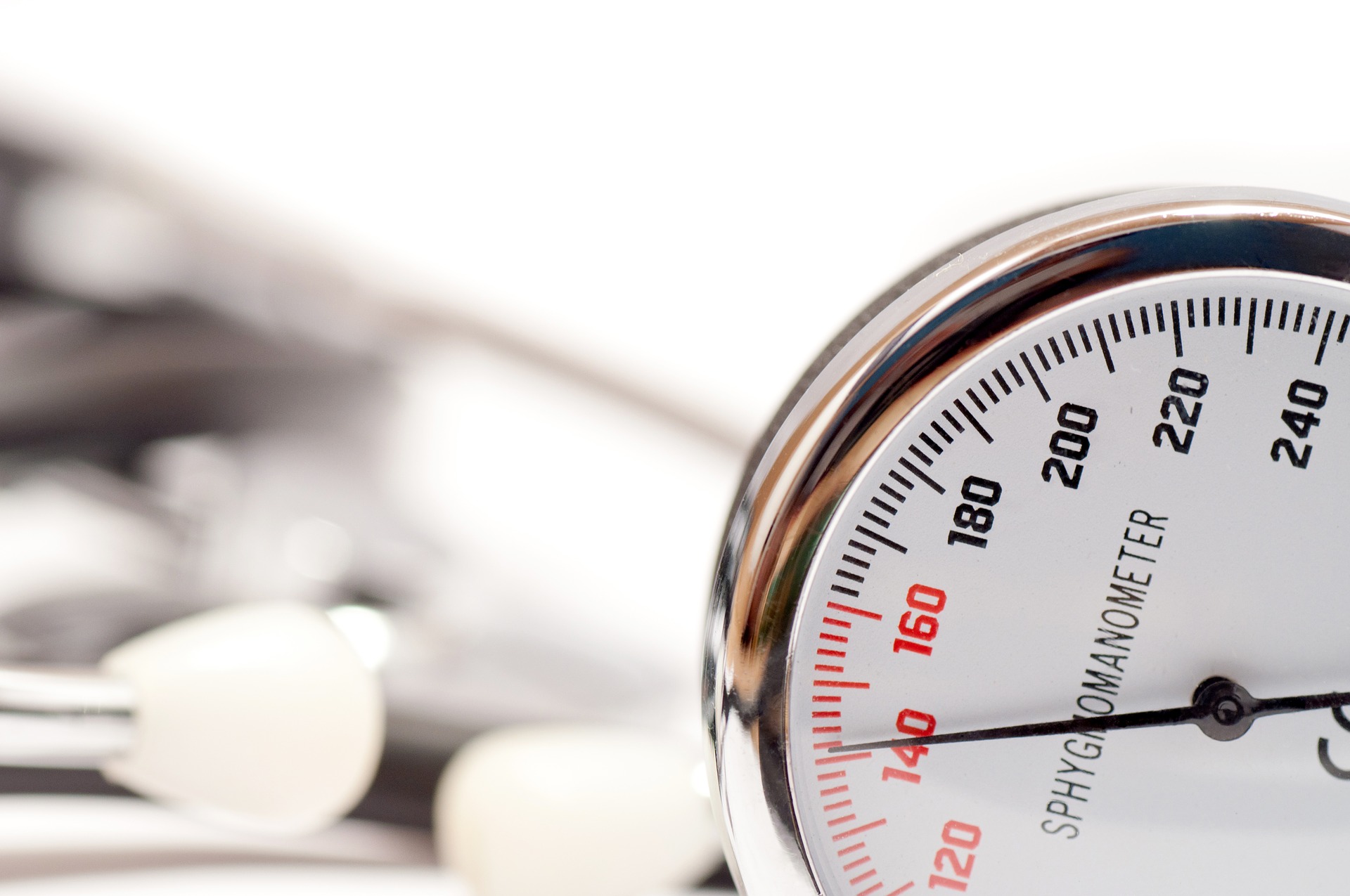


Hypertension or high blood pressure is the major risk factor of heart and kidney diseases affecting the human population. Indeed the incidence rate is very high: 1 in every 3 adult individuals. Hypertension is normally treated in the clinic as an independent disease. Nonetheless, it is interesting to note that high blood pressure is also a hallmark feature of metabolic syndrome. This latter observation begs the question of whether there is any link between hypertension and metabolism.
Two clues suggesting such a link stem from the observation that exercise and calorie restriction both work well to lower blood pressure. One of the commonalities between exercise and calorie restriction is that they both increase circulating ketone bodies, especially beta hydroxybutyrate (βOHB), which is predominantly produced by the liver. So, is it possible that a metabolite such as βOHB, which is produced in the liver, has something to do with blood pressure regulation?
Yet another clue emerged in the literature: dietary salt, which is the number one adverse environmental factor known to escalate blood pressure, also affects liver function by unknown mechanisms. Collectively, these observations led us to study whether salt influenced any of the liver metabolites to impact blood pressure.
We collected fasted blood plasma from low salt- and high salt-fed rats and looked for alterations in primary metabolites (metabolites with physiological function) in response to salt. A number of metabolites were found to change among the low salt and high salt groups. However, we were excited to note that the most predominant ketone body produced by the liver, βOHB, was lowered in the high salt-fed group of rats. These rats also had a higher blood pressure compared to the low salt group.
Next, we conducted a nutritional intervention study. We fed groups of hypertensive rats with or without the precursor of βOHB, 1,3-butanediol, and measured their blood pressure. The results were quite dramatic. Despite the rats being fed a high salt diet, feeding them the precursor of βOHB attenuated their hypertension.
Next we sought to identify how exactly did 1,3-butanediol helped to lower blood pressure. We looked into the most obvious organ in salt-handling, the kidney. There were indications of lowering of inflammation and restoration of both structure and function of the kidney in response to dietary 1,3-butanediol. We do think such a dietary supplement contributed to the observed lowering of hypertension.
Of course, this may not be the only mechanism explaining the blood pressure lowering effect by 1,3-butanediol. However, the results of our work published in Cell Reports describe a novel mechanism of blood pressure regulation. Such a mechanism involves the liver as an organ and a liver-generated ketone body, βOHB, as a specific metabolite beneficial for hypertension. This may at least in part explain why hypertension presents along with metabolic complications which result in metabolic syndrome. Incidentally, this finding also suggests that the beneficial effects of exercise and calorie restriction on hypertension may be due to the elevated βOHB generated under these circumstances.
The most attractive feature of our findings is however that the metabolic activities of the liver that are known to be essential to provide fuel to the brain, muscle and other organs, can now be contemplated as a target for combating hypertension. Specifically, we propose that dietary supplementation with ketogenic agents such as 1,3-butanediol could be used to ameliorate hypertension as well as kidney disease by helping the liver to produce βOHB.
Original Article:
S. Chakraborty et al., Salt-Responsive Metabolite, beta-Hydroxybutyrate, Attenuates Hypertension. Cell Rep 25, 677-689 e674 (2018)Edited by:
Dr. Giacomo Rossetti , Senior Scientific Editor
We thought you might like
How Does Memory Guide Learning? Birds Can Answer
Aug 7, 2020 in Evolution & Behaviour | 3 min read by Wenchan Zhao , Todd F. RobertsHow do plants breathe?
Nov 22, 2017 in Plant Biology | 4 min read by Richard Morris , Hugh WoolfendenSaving the cadmium yellow pigments in The Scream
Feb 25, 2021 in Maths, Physics & Chemistry | 3.5 min read by Letizia Monico , Costanza MilianiRAINmakers: how receptors orchestrate specific cell functions
Feb 2, 2023 in Health & Physiology | 4 min read by Charlotte Kayser , Andreas BockMore from Health & Physiology
Rejuvenating the Aged Intestinal System
Jul 21, 2025 in Health & Physiology | 4 min read by Ilenia Caracciolo , Francesco NeriHow obesity can improve the efficacy of cancer treatment: role of the sex hormone estrogens.
Dec 3, 2025 in Health & Physiology | 3.2 min read by Eloïse Dupuychaffray , Carole BourquinTobacco smoking and other exposures shut off cancer-fighting genes
Aug 31, 2024 in Health & Physiology | 3 min read by Nina Adler , Jüri ReimandA hidden clock that times cytoplasmic divisions
Aug 30, 2024 in Health & Physiology | 3 min read by Cindy OwWhen two kinases go for a dance
Aug 2, 2024 in Health & Physiology | 4 min read by Ioannis Galdadas , Pauline Juyoux , Francesco Luigi GervasioEditor's picks



Trending now




Popular topics